
Life has a way of blindsiding us. One moment you’re cruising along, thinking you’ve got things figured out, and then tragedy strikes. Maybe it’s the loss of someone you love, a devastating diagnosis, job loss, or trauma that changes everything. In those dark moments, finding hope after tragedy can feel impossible.
Yet here’s what I’ve learned through my own journey and working with countless others: our deepest pain often becomes the birthplace of our greatest purpose. Transforming pain into purpose isn’t just some feel-good concept, it’s a proven framework that can help you rebuild your life with meaning and resilience after loss.
Why Pain Can Become Your Greatest Teacher
Before we dive into the how-to, let’s get real about something: pain hurts. There’s no sugarcoating that. Yet when we learn to see our suffering as a teacher rather than just an enemy, everything changes.
Research backs this up. A 2022 study found that people who demonstrate the best physical and mental health outcomes after traumatic experiences share something called “coherence”, the ability to weave their painful past into their future story while maintaining understanding instead of just worry.
This doesn’t mean you have to be grateful for your trauma. It means recognizing that your pain, while awful, can also carry wisdom that transforms not just your life, yet the lives of others too.

Step 1: Speak Your Pain Into Existence
The first step in transforming pain into purpose is surprisingly simple, yet incredibly difficult: name it. Say it out loud. Write it down. Acknowledge what happened to you and how it affected your life.
Here’s why this matters: silence keeps suffering alive in the shadows. When we refuse to name our pain, it festers. Yet when we bring it into the light through words, we begin to take back our power.
This might sound like:
- “I lost my spouse and I’m struggling to find meaning”
- “My childhood trauma still affects how I show up in relationships”
- “Losing my job made me question everything about my worth”
If you’ve experienced significant trauma, abuse, or loss, please consider working with a mental health professional during this step. You don’t have to do this alone.
Step 2: Extract the Lessons and Wisdom
Once you’ve named your pain, it’s time to mine it for gold: the lessons, insights, and wisdom that emerged from your darkest moments.
This is where journaling becomes your best friend. Start asking yourself questions like:
- What did this experience teach me about strength I didn’t know I had?
- How did it change my perspective on what really matters?
- What would I tell someone else going through something similar?
- What character traits did I develop that I might not have otherwise?
Don’t rush this process. Resilience after loss often reveals itself slowly, like developing a photograph in a darkroom. Yet as you document these insights, you’ll start seeing patterns and themes that point toward your unique purpose.
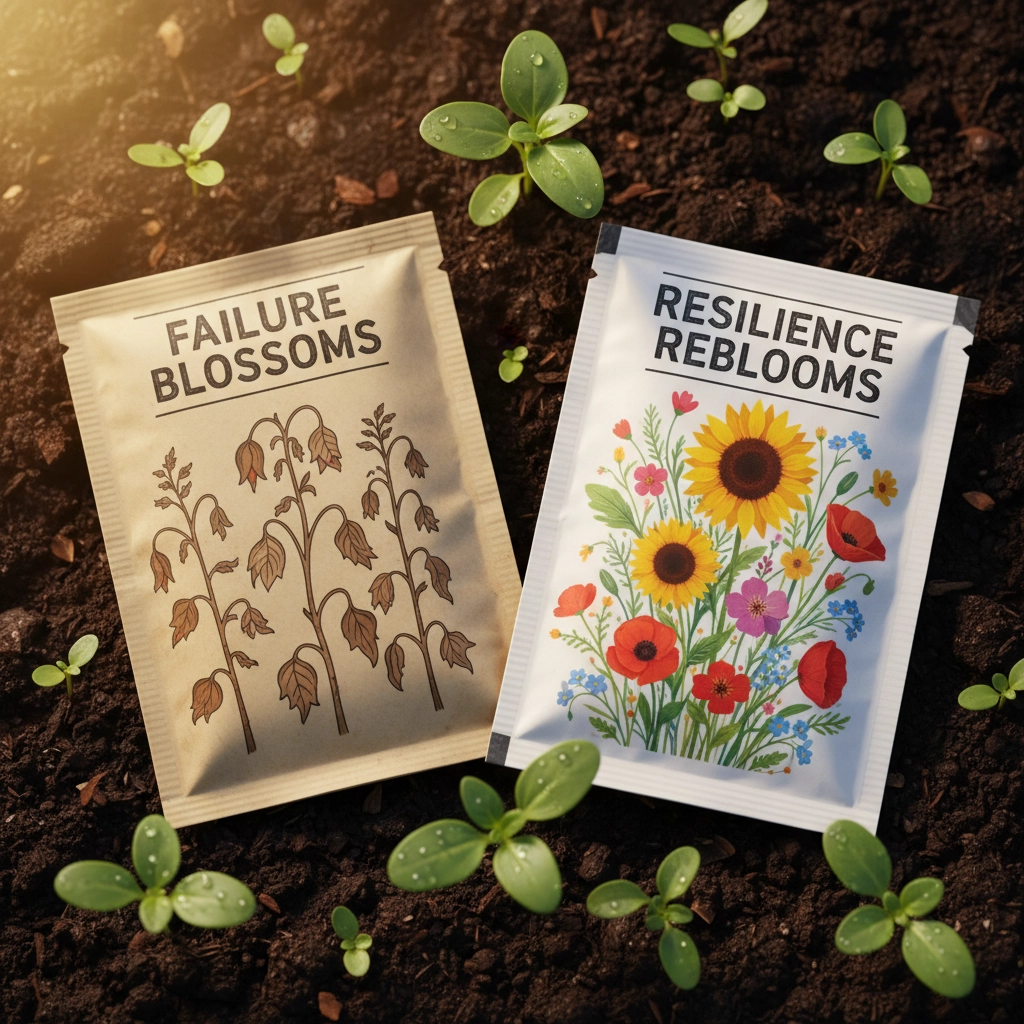
Step 3: Reframe Your Story: From Victim to Victor
This is where the real transformation happens. The same painful experience can be told two completely different ways: as a victim story or as a victor story.
In the victim version, things happened TO you and you’re stuck. In the victor version, things happened FOR you and you’ve grown. The facts don’t change, yet your relationship to those facts completely transforms.
For example:
- Victim story: “My divorce ruined my life and now I can’t trust anyone”
- Victor story: “My divorce was devastating, yet it taught me to value myself and showed me what healthy love actually looks like”
This reframe doesn’t minimize your pain or pretend everything was meant to happen. It acknowledges that since it did happen, you get to decide what it means moving forward.
Step 4: Find Your “Why”: The Purpose Behind the Pain
Here’s where transforming pain into purpose gets really powerful. Instead of asking “Why did this happen to me?” start asking “What am I meant to learn from this, and how can I use it to help others?”
Your purpose typically shows up in two ways:
Encouragement: Sharing how you overcame challenges to give others hope
Prevention: Using your hard-earned lessons to help others avoid similar pain
Maybe you lost a child and now advocate for safety changes. Maybe you survived addiction and now mentor others in recovery. Maybe you rebuilt after financial ruin and now teach others about money management.
Your pain becomes the qualification for your purpose, not despite your suffering, yet because of how you chose to transform it.

Practical Tools for the Transformation Process
Cognitive Restructuring
Pay attention to your thought patterns. When you notice thoughts like “I’ll never recover from this” or “This pain will never end,” pause and ask: “Is this thought helping me heal and move forward?” Then consciously choose a more balanced perspective.
Mindfulness and Present-Moment Awareness
Trauma often keeps us stuck in the past or anxious about the future. Mindfulness practices help you stay grounded in the present, where healing actually happens. Even five minutes of daily meditation can make a significant difference.
Visualization and Future Thinking
Spend time imagining your life after transformation. What would it look like to use your pain as fuel for purpose? How would it feel to help others because of what you’ve been through? This mental rehearsal creates a roadmap for your healing journey.
The Ripple Effect: How Your Healing Helps Others
One of the most beautiful aspects of transforming pain into purpose is the ripple effect it creates. When you heal intentionally and share your story, you give others permission to do the same.
You can’t change what happened to you, yet you can absolutely change what happens because of what you’ve been through. Your purpose emerges not despite your pain, yet through your deliberate choice to transform it into meaning, wisdom, and service.
Moving Forward: From Crisis to Catalyst
Remember, transformation doesn’t happen overnight. Finding hope after tragedy is a process, not a destination. There will be good days and bad days. There will be moments when you feel strong and moments when you feel like you’re back at square one.
That’s normal. Healing isn’t linear, yet it is possible.
The key is approaching your pain with intention rather than just hoping time will heal all wounds. Time doesn’t heal: intentional action taken over time heals.

Your Next Step
If you’re reading this in the middle of your own struggle, know that your pain has the potential to become your purpose. It won’t feel true today, and that’s okay. Yet as you begin to name your pain, extract its lessons, reframe your story, and discover your why, you’ll start to see glimpses of the meaning that can emerge from your darkest moments.
Your story isn’t over. In fact, the most important chapter might just be beginning.
If you’re supporting someone through grief or trauma, remember that transformation can’t be rushed, yet it can be encouraged. Sometimes the most powerful thing you can do is simply witness someone else’s pain without trying to fix it.
Whether you’re in the middle of the storm or supporting someone who is, remember this: every great purpose story started with pain that someone chose to transform rather than just endure.
What will you choose to do with yours?
Check out my podcasts, contact information and other blogs at arikhousley.com.