
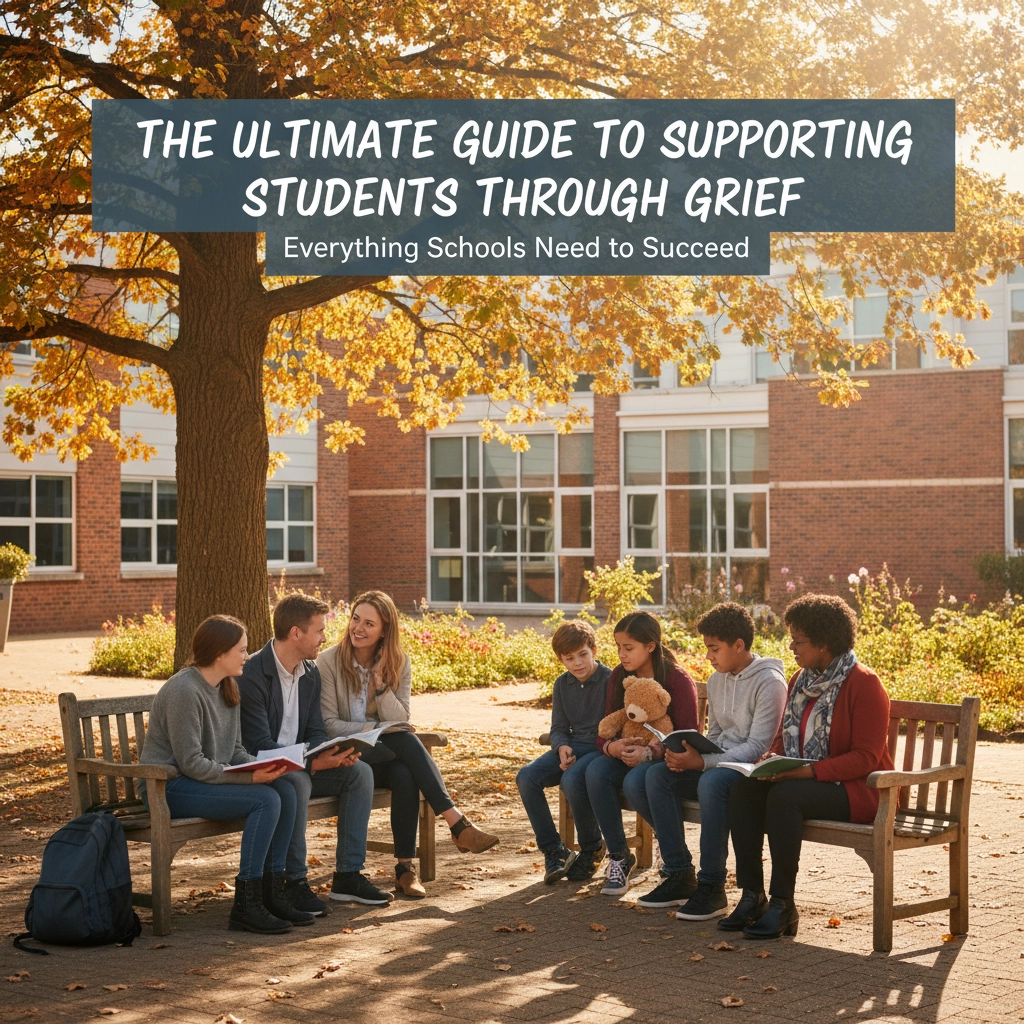
Here’s something that might surprise you: 1 in 13 children will experience the death of a parent or sibling by age 18. That’s nearly two students in every classroom dealing with profound loss. Yet most schools feel unprepared to help these kids navigate their grief while keeping up with their education.
I get it. As educators, you’re already juggling so much. Yet grief doesn’t wait for convenient timing, and when a student is struggling with loss, everything else, their grades, friendships, and hope for the future, hangs in the balance.
The good news? Schools are actually perfectly positioned to make a real difference. You spend more waking hours with these kids than almost anyone else, and you can create the safe, consistent environment they desperately need to heal and grow.
Why Schools Matter More Than You Think
When a student is grieving, school isn’t just about math and reading anymore, it becomes their lifeline to normalcy. Teachers have a unique advantage that even professional counselors don’t: you see these kids every single day. You know when Sarah, who usually raises her hand constantly, suddenly goes quiet. You notice when Marcus starts picking fights instead of cracking jokes.

That daily contact means you can spot the signs early. Maybe it’s difficulty concentrating, a sudden drop in grades, or pulling away from friends. Sometimes grief looks like anger or acting out. Other times, it’s the kid who becomes invisible, shrinking into the background hoping no one notices they’re falling apart.
Here’s the thing, you don’t need to become a grief counselor to help. Your job is to provide what I call “bereavement support,” not therapy. Think of yourself as the caring adult who creates space for healing while connecting students with the professional help they need.
The Real Goals of Grief Support in Schools
Let’s talk about what success actually looks like when supporting grieving students. It’s not about “getting them over it” (spoiler alert: you never “get over” significant loss). Instead, we’re aiming for four key outcomes:
Breaking the Isolation
Grief can feel incredibly lonely, especially for kids who think they’re the only ones going through this. When you normalize conversations about loss and create opportunities for connection, you show grieving students they’re not alone. This might mean discussing how characters in literature deal with loss or acknowledging difficult current events with empathy.
Keeping Academics on Track
Grief brain is real. Concentration becomes nearly impossible, memory gets fuzzy, and assignments that used to be easy suddenly feel overwhelming. Small accommodations, like extended deadlines, breaking large projects into smaller chunks, or providing notes from missed classes, can make the difference between a student falling behind and staying connected to their education.
Strengthening Family Connections
When kids feel supported at school, they’re more likely to open up at home too. Your understanding creates a ripple effect that can bring families closer together during their darkest moments.
Building Lifelong Resilience
Perhaps most importantly, the grief support you provide teaches students that they can survive difficult things. They learn healthy coping skills, emotional regulation, and how to ask for help, tools they’ll carry with them forever.
Practical Programs That Actually Work
You don’t have to reinvent the wheel. Several evidence-based programs are already making a difference in schools across the country.

Good Grief Groups offer a structured 9-week program that can be delivered virtually or in-person. Students meet weekly to explore topics like processing loss, developing healthy coping skills, and learning to advocate for themselves. The curriculum comes complete with facilitator scripts and student worksheets, making implementation straightforward even for busy educators.
OUR HOUSE Grief Support Center brings professional support directly to schools, eliminating transportation barriers that families often face. Their 10-week programs consistently show results: students report better concentration in school and improved social behavior. Perhaps most telling, students often say the group is the only place they feel safe talking about their loss.
For younger students, Willow House provides an 8-week structured curriculum delivered by qualified clinicians for ages 3-18 who’ve lost a parent, caregiver, or sibling. The program covers everything from grief education to preserving memories while building new connections.
Training Your Team for Success
Here’s the truth: supporting grieving students works best when it’s a team effort. You don’t need every teacher to become an expert, yet everyone should understand the basics of how children and teens process loss.
Professional development opportunities help staff recognize grief signals and respond appropriately. This training typically covers trauma-informed practices that strengthen your school’s overall approach to supporting students experiencing difficulties.

Remember, you’re not expected to provide counseling, you’re providing support. There’s a big difference. Counselors, psychologists, and social workers handle the clinical aspects while teachers create safe classroom environments and coordinate care.
Understanding Grief’s Timeline (Spoiler: There Isn’t One)
One of the biggest mistakes schools make is assuming grief follows a neat timeline. Students don’t “get over” loss in a predetermined number of weeks or months. In fact, the second year after a death can be harder than the first, yet that’s often when support diminishes.
Grief isn’t linear. A student might seem fine for weeks, then have a terrible day triggered by a song, a smell, or just the anniversary of their loss. Your job isn’t to fix these moments, it’s to normalize them and provide consistent support throughout the journey.
This means being prepared for the long haul. Grief support isn’t a one-time intervention; it’s an ongoing commitment to seeing your students as whole human beings dealing with something incredibly difficult.
Creating a Culture of Understanding
The most successful schools create environments where death and grief can be discussed openly, not swept under the rug. This doesn’t mean dwelling on sadness, yet it does mean acknowledging that loss is part of life.
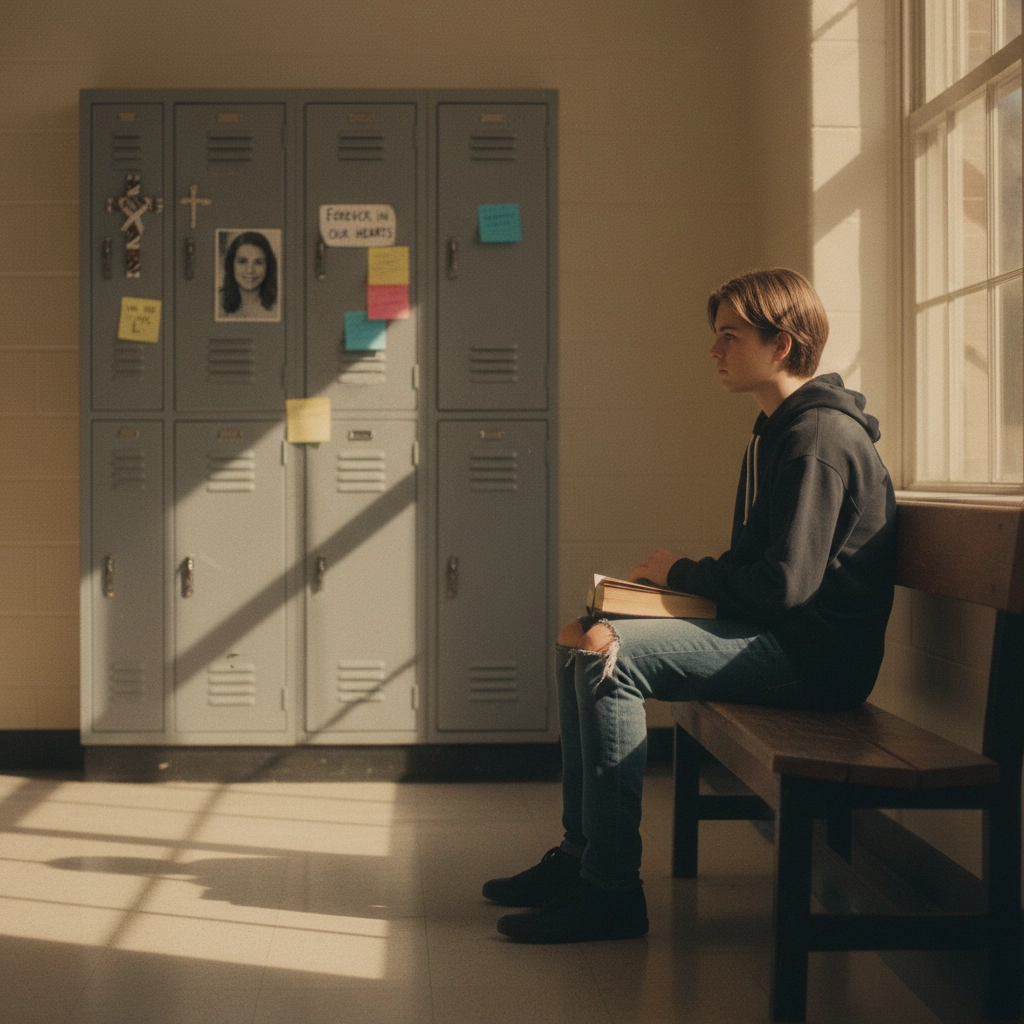
When tragedy strikes your school community, address it honestly and age-appropriately. Use literature and current events as opportunities to explore themes of loss and resilience. Create memorial projects or service opportunities that honor those who’ve died while helping students process their feelings.
This inclusive approach benefits everyone, not just grieving students. All kids learn empathy, emotional intelligence, and healthy ways to process difficult emotions.
Building Your Support Network
No school should tackle grief support alone. Connect with local hospices, counseling centers, and organizations like the National Center for School Crisis and Bereavement. Many offer free resources, training, or on-site support.
Consider partnering with programs like Camp Kara, which provides overnight bereavement camp experiences, or Circle of Care programs that help families process loss in safe, normalized environments.
Moving Forward Together
Supporting grieving students isn’t just about helping them survive their loss, it’s about showing them they can thrive despite it. When schools commit to comprehensive grief support, they’re building resilience not just in individual students, yet in the entire school community.
Yes, it requires intentionality, training, and ongoing commitment. Yet the payoff is immeasurable: students who feel seen, supported, and valued during their darkest moments grow up knowing they can handle whatever life throws at them.
Your school has the power to be a place of healing and hope. The question isn’t whether you have time to support grieving students: it’s whether you can afford not to.
Check out my podcasts, contact information and other blogs at arikhousley.com.