

There’s a moment that hits every grieving parent, spouse, or loved one like a punch to the gut. It’s when you realize your person won’t be there for the big moments, the graduation, the wedding, the promotion, the first steps, the birthday that matters most. It starts in the “year of firsts”. First birthday, mothers day etc. It extends to times like, now her younger brother has graduated and she didn’t and now she’s been gone longer than she was alive.
For me, it’s thinking about Alaina missing all those future milestones. The wedding dress she’ll never wear. The children she’ll never have. The career she was just considering to build. These thoughts can knock the wind right out of you if you let them.
Yet here’s what I’ve learned in this journey through grief: alongside that crushing sadness comes something unexpected, a deep gratitude for every milestone we did share together.
The Ache of Missing Milestones
When someone you love dies, their absence becomes most pronounced during significant moments. These milestones, whether it’s your child’s graduation they’ll never attend, your spouse missing your wedding anniversary, or facing your first birthday without them, feel like reopened wounds.
The anticipation often hurts worse than the day itself. You know it’s coming. You dread it. You might try to plan around it or pretend it’s not happening, yet that date on the calendar seems to grow bigger and more threatening as it approaches.
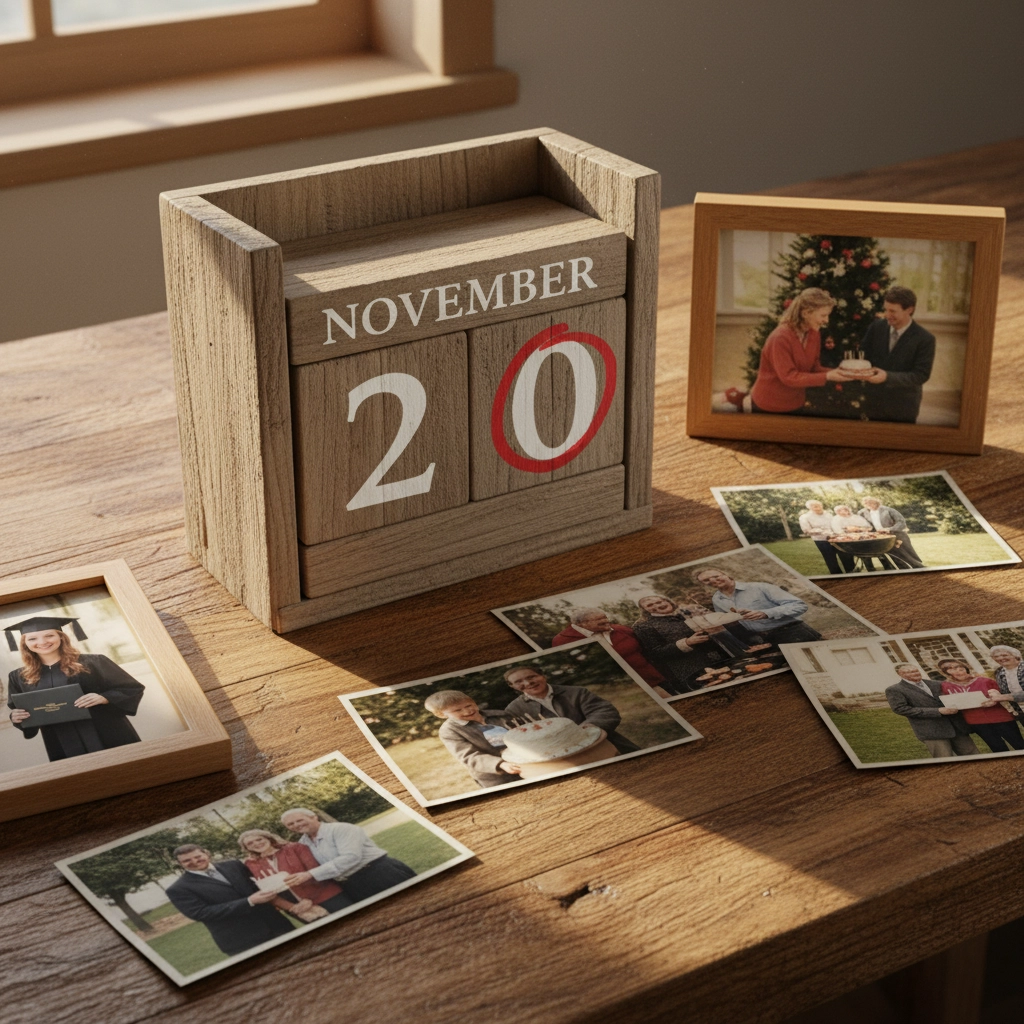
I remember Alaina’s first birthday after the shooting. The sadness was overwhelming in ways. Eighteen years of birthday mornings, and now we celebrate with a dark chocolate cake but no candles. No excited texts. No plans to celebrate. Just the stark reality that she’d never turn another year not 21, or 30, never reach any of those milestones that seemed so certain when she was alive.
This kind of grief support isn’t just about getting through the day, it’s about learning to hold space for the complexity of what these moments bring up.
When Gratitude Meets Grief
Here’s something most people don’t tell you about grief: gratitude and sadness aren’t opposites. They can exist in the same breath, the same moment, the same breaking heart.
Yes, I’m devastated that Alaina won’t walk down an aisle in a wedding dress. Yet I’m also profoundly grateful we had her 18th birthday together. I’m grateful for every birthday cake we shared, every candle she blew out, every year we celebrated her life and her in ours.
The depth of our grief often reflects the depth of our love. When the loss feels insurmountable, it’s because what we had was so incredibly precious. This realization doesn’t diminish the pain, it gives it context and meaning.
Research shows that gratitude practices can actually help with the physical and emotional symptoms of grief. When we’re coping with trauma, gratitude doesn’t erase the pain yet it can provide small moments of grounding and hope that healing is possible.
The First Without Them
Every “first” after loss carries special weight. The first Christmas. The first anniversary. Their first birthday. Your first birthday without their call.
These firsts are brutal. There’s no sugar-coating it. Yet they’re also opportunities to begin creating new ways of honoring your person while acknowledging your ongoing life.

I’ve learned to approach these days with intention rather than just hoping to survive them. Instead of dreading the date, I try to plan something meaningful, something that connects me to Alaina’s memory while also caring for myself because she will live with me forever, just not in body.
This might mean spending the morning looking through photos and letting myself cry, or smile then doing something she would have loved in the afternoon. It’s not about forcing positivity, it’s about finding hope after tragedy by creating space for all the emotions that come up.
Creating New Traditions
One of the most healing things you can do is create new traditions around significant dates. This isn’t about replacing old memories, it’s about building new ones that honor your loved one while acknowledging your continued life.
Maybe on their birthday, you plant flowers in their favorite color. Maybe on your anniversary, you visit a place that was special to both of you. Maybe during the holidays, you volunteer somewhere they would have cared about.
These new traditions serve a dual purpose: they give you something to do with the intense emotions of milestone days, and they create meaningful ways to keep your connection alive.
The key is making these traditions yours. Don’t let others dictate how you should commemorate or celebrate. Some years you might need quiet reflection. Other years you might want to gather people together. Both are valid. Both are healing.
The Ongoing Dance
Resilience after loss doesn’t mean you stop missing them at milestones. It means you learn to dance with the sadness and gratitude together.
I still get emotional thinking about all the milestones Alaina will miss. Yet I also find myself smiling when I remember the ones we shared.
These memories don’t hurt less over time, they just hurt differently. The sharp edges of grief soften into something more like a deep ache that’s mixed with profound love and gratitude.
Supporting Others Through Milestone Grief
If you’re reading this because someone you know is approaching a difficult milestone, here’s what helps:
Remember the date. Mark it on your calendar. Send a text. Call them. Show up. Don’t be afraid to mention their person’s name or acknowledge what day it is. If you mention their name, I would suggest something like, “I am thinking about you and Alaina today.”
Ask how they want to spend it. Some people want company. Others need solitude. Some want to talk about their person. Others need distraction. Follow their lead and don’t be offended if they don’t want your participation, it still means a lot that you recognized them and showed up.
Share memories if you have them. If you knew their person, share a story. These gifts of memory are often the most treasured support you can offer. Please be aware, this can depend on the recipient to what degree you share or not.
Don’t put a timeline on their grief. Milestone grief doesn’t follow a schedule. The fifth anniversary might be harder than the first. That’s normal and okay.
Moving Forward, Not Moving On
The goal isn’t to “get over” missing your person at milestones. The goal is to learn to carry both the sadness and the gratitude with grace. To let yourself feel the full weight of what’s missing while also celebrating the gift of what was shared.
Some days the sadness will be heavier. Other days the gratitude will shine brighter. Most days, if you’re lucky, you’ll get to hold both.
This is what grief support really looks like, not rushing to feel better, yet learning to find hope and meaning even in the midst of loss. Not forgetting your person, yet building a life that honors both their memory and your continued journey.
The milestones will keep coming. Birthdays, anniversaries, holidays, graduations, weddings, all the markers of a life being lived. Your person won’t be there for them, and that will always hurt.
Yet you’ll be there. And in being there, in showing up for life even when it’s hard, in finding moments of joy even in grief, in choosing gratitude alongside sadness, you honor not just their memory, yet the love that will always connect you.
That’s not just surviving grief, that’s living with purpose, meaning, and yes, even hope, in spite of profound loss.
Check out my podcasts, contact information and other blogs at arikhousley.com.