

The UK just made a move that’s got educators, parents, and policymakers talking around the world. Starting in September 2026, grief and bereavement education becomes mandatory in British schools as part of their Relationships, Sex and Health Education curriculum. This isn’t just another checkbox on an already packed educational agenda: it’s a recognition that we’ve been failing our kids in one of life’s most fundamental areas.
Here’s the reality that prompted this change: roughly 1 in 29 children experience bereavement during their school years. That’s about one child per classroom dealing with loss, often without the tools or support to process what they’re going through. Meanwhile, adults are struggling too, with bereavement-related job loss and reduced productivity costing the UK economy an estimated £22.6 billion annually.
Why This Matters More Than You Think
Think about your own education. You probably learned about photosynthesis, algebra, and the causes of World War I. Yet did anyone ever teach you what grief actually looks like? How it shows up differently for different people? How to support someone who’s lost a loved one? This is a life-skill.
Most of us learned about death and loss the hard way: through experience, often feeling completely unprepared and isolated in our grief. The UK’s curriculum change acknowledges what grief experts have been saying for years: grief is a natural part of life, yet everyone grieves differently, and we need to normalize talking about it.
This new requirement will teach students that change and loss, including bereavement, can provoke a range of feelings. It sounds simple, yet it’s revolutionary. We’re finally admitting that grief literacy is as important as any other life skill.
What This Could Mean for American Schools
The UK’s move raises an uncomfortable question for us here in the States: are we doing enough to prepare our children for loss? American students face the same statistics: bereavement affects kids in every classroom: yet grief education remains largely absent from our curricula.
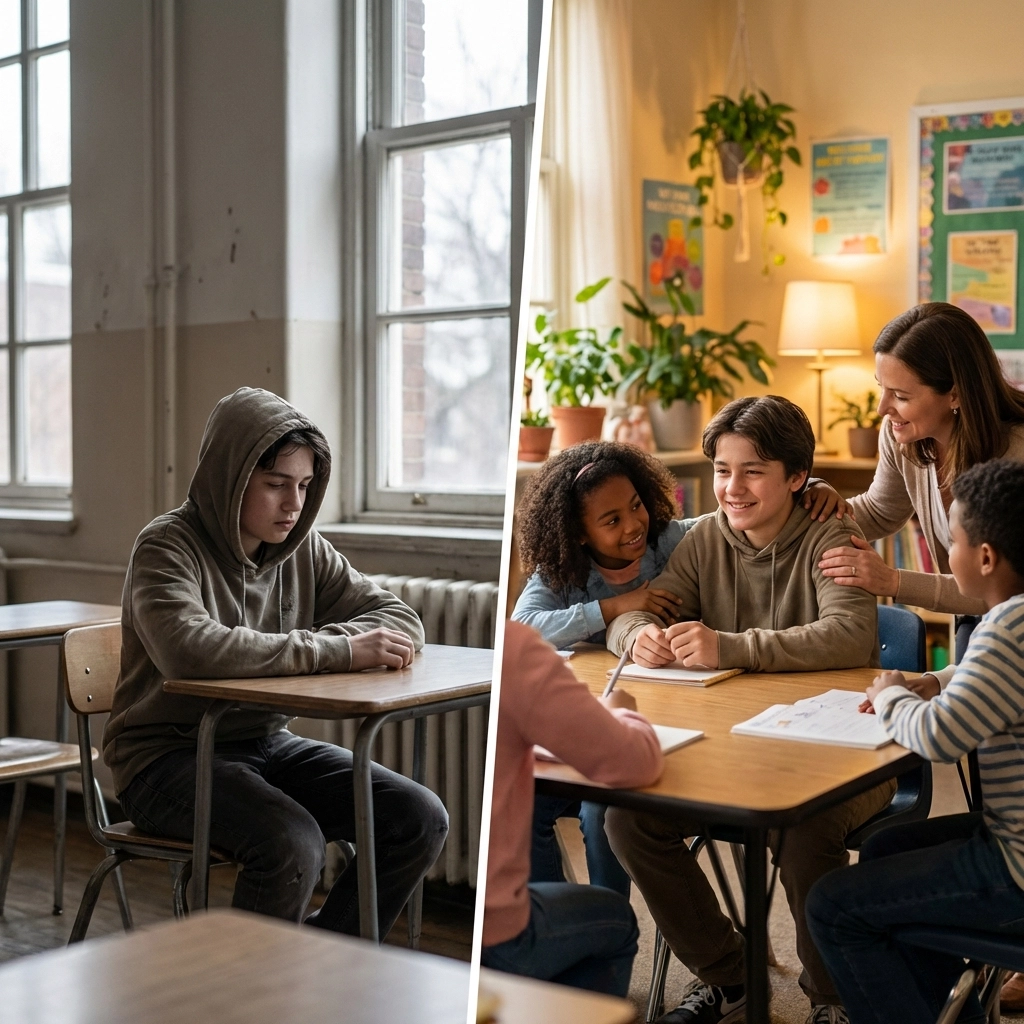
We’re missing understanding loss and reslience strategies and the opportunity to build these skills proactively. Imagine if we approached grief the way we approach fire safety: not waiting for an emergency, yet giving kids the tools they need before they need them.
The benefits could extend far beyond individual students. When people understand grief better, they’re more equipped to offer meaningful support to grieving colleagues, friends, and family members. This translates to better grief support in the workplace, stronger communities, and reduced stigma around mental health.
The Challenges Are Real
Organizations like Winston’s Wish point out that curriculum inclusion alone isn’t enough. You need robust infrastructure, teacher training, and access to high-quality resources. Teachers need both confidence and practical support to address grief discussions effectively.
This is where many well-intentioned programs fall short. It’s not enough to add “grief education” to a lesson plan and hope for the best. Educators need training on how to support someone grieving, how to recognize different grief responses, and when to connect students with additional resources.
There’s also the question of age-appropriateness. How do you discuss death and loss with elementary students versus high schoolers? How do you handle diverse cultural and religious perspectives on death? These conversations require sensitivity, preparation, and ongoing support for educators.
Beyond the Classroom
The UK’s approach recognizes that grief education isn’t just about death: it’s about understanding that families and relationships change over time through birth, death, separation, and new relationships. This broader view helps normalize the many types of loss children experience, from divorce to moving to pet death.
This comprehensive approach could reshape how we think about resilience after loss in all aspects of life. When children learn that grief is natural and everyone experiences it differently, they develop empathy and emotional intelligence that serves them throughout their lives.
What Would This Look Like in America?
If the US were to adopt similar requirements, what might that look like? It could start small: integrating grief and loss discussions into existing health education or social-emotional learning curricula. Schools could partner with local hospices, grief counseling organizations, or mental health professionals to provide resources and training.
The key is starting the conversation. Right now, many schools only address grief reactively, bringing in counselors after a loss occurs. Proactive grief education could help students develop coping skills and emotional vocabulary before they need it most.
We could also learn from workplaces that are getting this right. Companies investing in grief support programs see improved employee wellbeing and retention. Schools could adopt similar approaches, creating environments where grief is acknowledged rather than hidden.
The Bigger Picture
The UK’s curriculum change represents more than just educational policy: it’s a cultural shift toward acknowledging grief as a normal part of human experience. For too long, we’ve treated grief as something to “get over” quickly and quietly. This approach recognizes that grief is something we learn to carry, not something we simply overcome.

This shift has implications beyond schools. When we raise a generation that understands grief, we create adults who are better equipped to support each other through loss. We reduce the isolation that often accompanies bereavement and create more compassionate communities.
The question isn’t whether American students would benefit from grief education: the research makes that clear. The question is whether we have the courage to follow the UK’s lead and admit that we’ve been missing something crucial in how we prepare young people for the full spectrum of human experience.
What do you think? Are we ready to have this conversation in American schools, or will we wait for another country to show us the way forward?
Check out my podcasts, contact information and other blogs at arikhousley.com. Or you can get a copy of my bestselling book Always November: Lessons in Loss, Love and Resilience.