
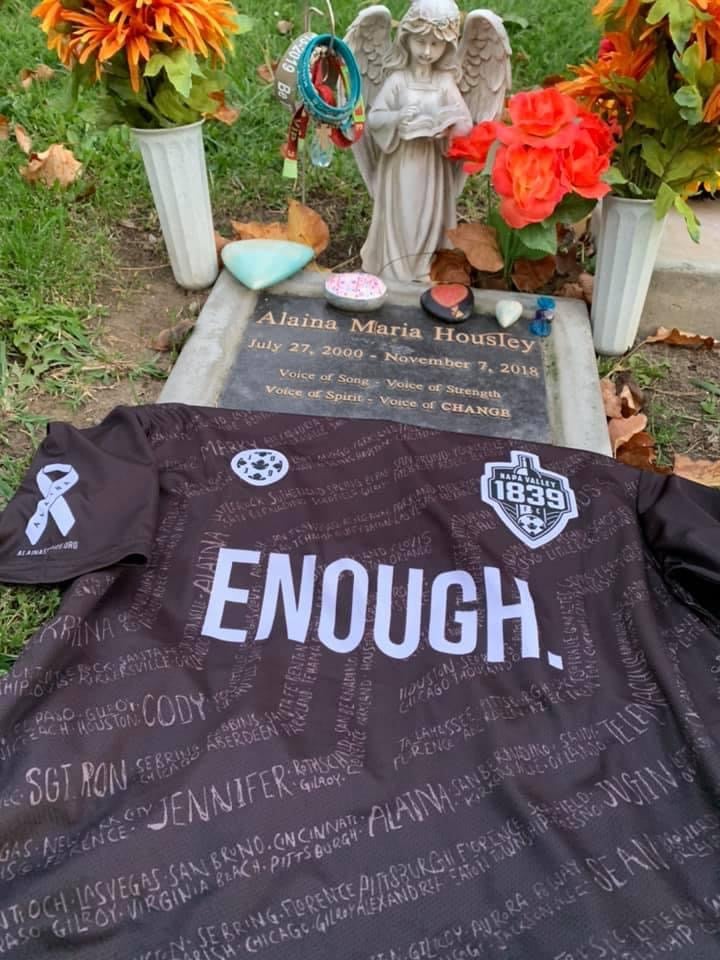
A week from Saturday will be eight years since receiving the call, no one should ever receive. “Arik, Hannah…There has been a shooting!”
Understanding grief has been a major learning experience for me. The other day when I was being interviewed, the person asked, “how would you define grief?” My response… “Grief is love changed!”
Grief is not the absence of love, it is the culmination of feeling so much love it hurts. The opportunity to have Alaina in my life was a gift. Was it a gift taken too soon, of course.
Love needs somewhere to land. It finds a home in a voice, a familiar laugh, a hand reaching for yours, the small routines you build together. When someone dies, those places are no longer available in the same way. Yet the love does not simply disappear. It has to change shape.
That change can hurt. We reach for someone who isn’t here to answer. We remember something and want to tell them. We turn to share a moment, then feel the absence all over again. The ache is real because the bond was real. Grief is not proof that love has ended. It is one way love continues when the person we love is no longer here in human form.
When my daughter was killed in the 2018 Borderline Bar and Grill shooting, I had to learn how to carry a loss I never wanted. There is no tidy lesson that makes a tragedy acceptable, and no sentence that can make the missing go away. I still miss her. What has changed is how I understand the love I have for her. It is no longer expressed through everyday conversations or the ordinary moments we might have shared. It lives in memory, in the stories I tell, in the way I try to show up for others, and in the purpose I have found in sharing what loss has taught me.
Grief comes in waves. A date on the calendar, a song, a familiar place, or a thought that arrives without warning can bring the sorrow close again. It may happen when you thought you were doing all right. That does not mean you have failed to heal or returned to the beginning. Sometimes it means love has surfaced in response to a reminder. You can welcome that love without pretending the wave is easy. You can miss someone and still laugh, take a breath, or enjoy a moment of your day. Both things can be true.
Love may find new places to land. It can live in speaking a person’s name and keeping their stories close. It can shape the patience we offer a friend, the attention we give our family, or the kindness we show someone facing a hard day. For some people, love becomes a cause or a way to serve. For others, it stays private: in a ritual, a recipe, a photograph, or a quiet thought. There is no required way to carry it, and no schedule for deciding what it should mean.
If you are grieving, you do not have to turn your loss into purpose before you are ready. You do not need to make the pain inspiring. Let the love be what it is today: a memory, a sob, a story you want to tell, or simply the knowledge that this person mattered deeply. If a wave comes, you can let it come. You can reach for someone you trust and say, “I’m missing them today. Could you sit with me for a while?”
And if someone you care about is grieving, try not to rush them toward a bright side. Stay present. Say the person’s name. Ask if they would like to share a memory. Sometimes love is carried forward when someone is willing to listen.
We may not choose the tragedy that enters our lives, yet we can learn, slowly and imperfectly, to live with it rather than in it. The grief remains part of our story. So does the love. And as the years move forward, that love can keep finding new ways to be present.
Check out my podcasts, contact information and other blogs at arikhousley.com. Or you can get a copy of my bestselling book Always November: Lessons in Loss, Love and Resilience.