

When someone we love dies, their story does not end. It becomes something we carry.
I learned that in the hardest way possible when I lost my daughter, Alaina, in the 2018 Borderline Bar & Grill shooting. There are no words large enough to explain that kind of loss. There is no simple path through it, and there is no “moving on” that makes sense when the person you love is still part of everything you are. We never “move on”, we move forward.
Over time, I began to understand that moving forward does not mean leaving Alaina behind. It means carrying her story, her love, and the difference she made into the life that continues.
The Responsibility of Telling Someone’s Story
Speaking publicly about personal loss is not the same as sharing an interesting experience. It carries weight. When I began speaking, I didn’t understand why my story mattered to others. Yet I have learned, showing up and being vulnerable resonates.
People ask me all the time if it is cathartic to talk about Alaina or to have written my book. I find, I hold her with me everyday no matter what I am doing. When I talk about Alaina, I am not simply telling her story so people know her name. I am letting people know, we all have loved ones in our life and that life is precious. She was a daughter, a friend, a member of our family, and a person whose life mattered long before tragedy took her from us.
Even if you don’t have the tragedy, you have the loss when someone you love dies. Feeling that heartache just proves the love that was once present with another person and now it is held differently. An ache, yet it is still love and maybe stronger in some ways.
When I give a keynote or a workshop, I don’t speak about the shooting, I don’t know many details about it. It doesn’t change the outcome that she’s gone.
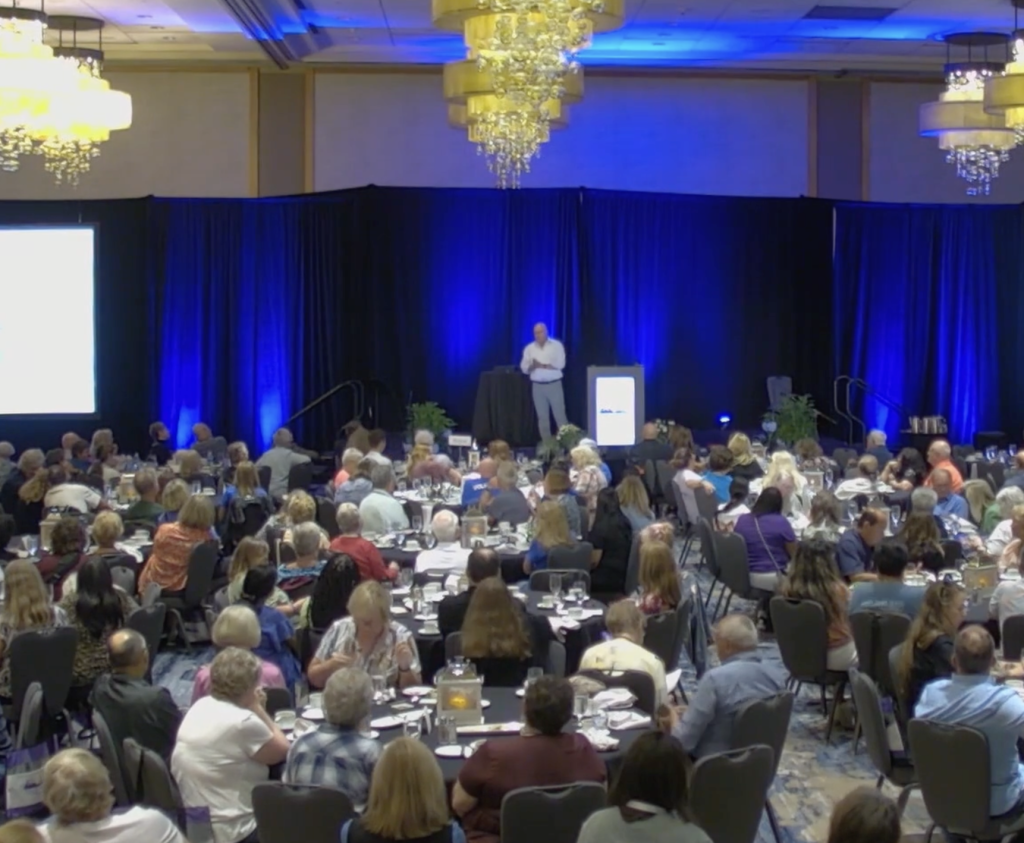
I speak about our experience of the loss and everything that followed. The thinkable and unthinkable parts. I do not want an audience to remember details of a shooting, I want them to know they don’t have to walk the road of grief alone. I want them to understand the value of the life and that our time is finite.
Storytelling can help grieving people organize painful thoughts, find connection, and maintain an ongoing bond with the person who died. The Center for Loss and Bereavement describes storytelling as part of meaning-making: the process of understanding what was lost and how to reinvest in life.
That process does not erase grief. It gives grief somewhere to go. I love asking someone on a grief journey… “When you are ready, I would love to hear a story of (name of lost loved one) that makes you smile or laugh. Only when you are ready.”
Pain Does Not Need to Become Positive to Become Purposeful
There is a difference between finding purpose after tragedy and pretending tragedy was somehow good. We went through something called post-traumatic growth. It is in some ways the opposite of PTSD.
There are people now in my life that I cherish, that are only in my life due to the loss of Alaina. I wish that were not the reason we had to meet, but we have and I value them immensely.
I would never say that losing Alaina was a blessing. It was devastating. It remains painful. Yet I can choose what I do with that pain.
For me, purpose has meant speaking honestly about grief, resilience, presence, and hope. It has meant writing Always November: Lessons in Loss, Love, and Resilience, supporting others through difficult seasons, and reminding people that they can learn to live with tragedy rather than in tragedy.
Purpose can look different for everyone. It might be helping a grieving friend, advocating for change, creating something, serving a community, or simply living more intentionally. Sometimes it is as small as choosing to call someone you love today.
Why Lived Experience Matters in a Speaker
For conference organizers, corporate leaders, and educators, a speaker’s lived experience matters because authenticity cannot be rehearsed.
Research and professional expertise are valuable. They give us language and frameworks. Yet lived experience adds something different: the understanding of what these ideas feel like when life becomes unrecognizable.
I never imagined walking into the POMC (Parents of Murdered Children) Conference and having the room smiling and laughing together.
I am a category authority. Therapists are working hard to help our communities and our world, yet sometimes…many times a person wants to speak with someone that has lived experience. Sadly, you might ask a grieving someone how they are today and get an angry reaction, yet I can ask them and get a completely opposite reaction.
When I speak to a company, I am not offering generic wellness advice. I am helping leaders understand why grief belongs in the workplace and how compassion and empathy can strengthen rather than weaken a team.
When I speak to students and educators, I recognize that young people may be carrying loss they do not know how to name. At the same time, so are the educators.
Carrying the Story Forward
You do not have to know about Alaina to learn how to be there for others. Carrying the kindness, empathy and compassion at the same time I am helping others learn to do the same is her story.
You can tell the story of who they were. You can live out something they taught you. You can say their name or see their picture, yet it doesn’t change the outcome of their presence in body.
For me, speaking about grief and some of the stories of Alaina is one way to honor her life and help others feel less alone. It is also a daily reminder that tragedy may change our story, yet it does not have to write every remaining chapter.
We can carry the people we love into the future through the way we live, serve, and show up.
That is how pain can become purpose : not because the pain was ever good, yet because love gives us a reason to keep going.
Check out my podcasts, contact information and other blogs at arikhousley.com. Or you can get a copy of my bestselling book Always November: Lessons in Loss, Love and Resilience.