
Let’s be real about something: life has a way of throwing curveballs when we least expect them. And I’m not talking about minor inconveniences, I’m talking about the kind of life-altering events that knock you flat and leave you wondering how you’ll ever get back up.
Whether it’s losing someone you love, facing a serious illness, losing your job, or any other crisis that turns your world upside down, finding hope in those dark moments can feel impossible. Yet here’s what I’ve learned from walking alongside countless people through their worst days: hope isn’t something that just happens to you. It’s something you can actively cultivate, even when everything feels hopeless.
You’re Not Walking This Path Alone
Whatever you’re going through, you’re not the first person to face it. That might sound obvious, yet when you’re in the thick of tragedy, it can feel like no one could possibly understand your pain.
The truth is, there are people who have walked similar paths and found their way through. Seek them out. Join support groups, connect with others who’ve faced comparable losses, or simply reach out to trusted friends who’ve weathered their own storms. There’s incredible power in hearing someone say, “I’ve been there too, and I made it through.”

Look Back to Move Forward
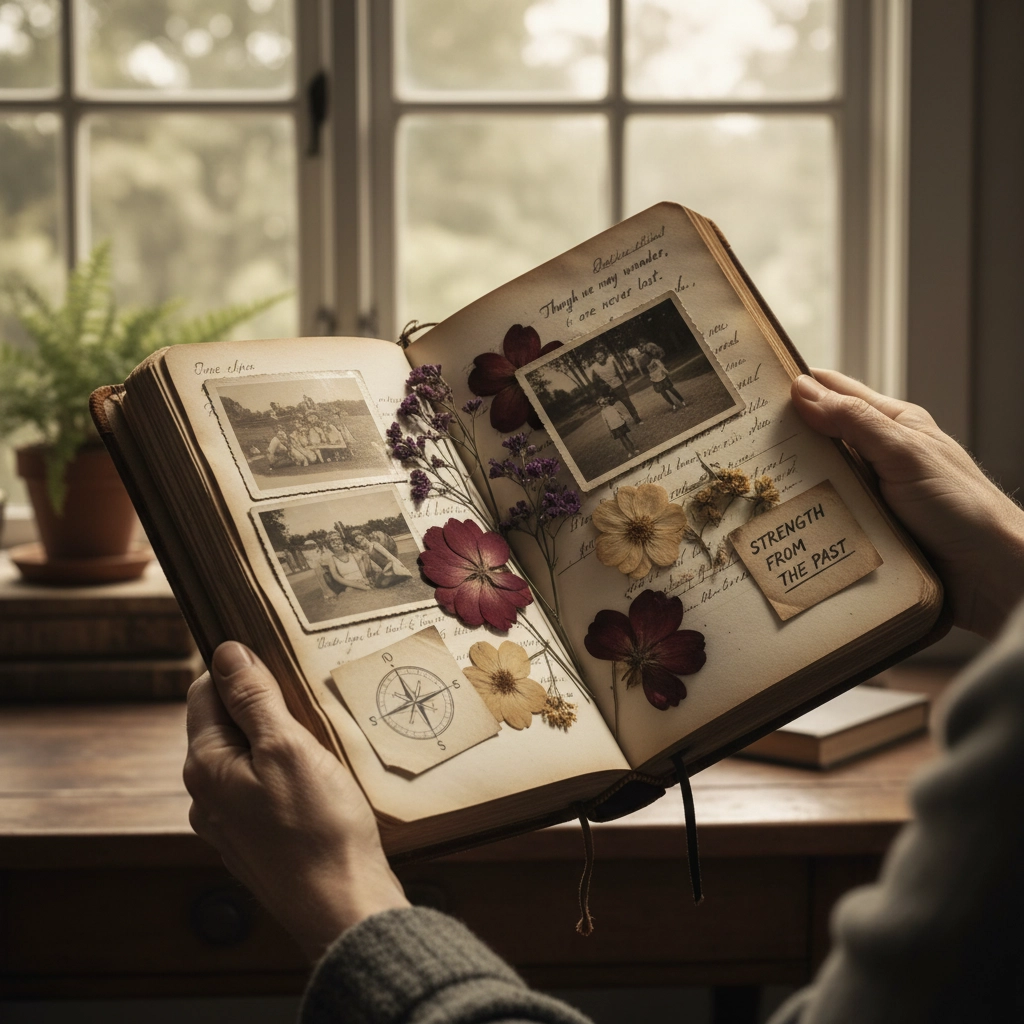
You’ve survived difficult times before. Maybe not exactly like this, yet you’ve faced adversity and found ways to cope, adapt, and eventually thrive again. Take a moment to reflect on those experiences. How did you get through them? What strengths did you discover about yourself? What coping strategies worked?
Every challenge you’ve overcome has been building your resilience toolkit. Those past victories aren’t just memories, they’re proof that you have what it takes to navigate this current storm too.
Build Your Support Network Intentionally
You can’t do this alone, and you shouldn’t try to. Support doesn’t always show up automatically, so sometimes you have to be intentional about building and maintaining your network.
This might include family, friends, a therapist, support groups, or your faith community. Different people will offer different types of support—some will listen, others will help with practical needs, and some will just sit with you in the pain. Don’t wait for people to reach out to you. Be proactive about asking for and accepting help.
Give Your Feelings a Voice
I get it. Sometimes the last thing you want to do is talk about what happened. It hurts too much, or you’re worried about burdening others, or maybe you’re trying to be “strong” for everyone else.
Avoiding the topic doesn’t make the pain go away. It actually tends to make things worse over time. Talking about your experience and expressing your emotions—whether to a trusted friend, a therapist, or even through journaling—helps you process what you’re going through in a healthy way.
Your feelings need somewhere to go. Give them a voice.
Care for Your Body While Your Heart Heals
When your world falls apart, it’s easy to neglect the basics. Yet your physical health and mental health are deeply connected, especially during times of crisis.
Try to maintain some routine with meals, sleep, and movement. I know food might not taste good and sleep might be elusive, yet do what you can. Keep simple, nourishing options on hand—soup, tea, anything that feels manageable. Go for walks when you can, or do gentle stretching. Your body is working hard to carry you through this; give it what it needs.
Find Your Calm in the Storm
Stress and anxiety can feel overwhelming during a crisis, which is why it’s crucial to have some tools in your toolkit for finding moments of peace.
This might look like meditation, prayer, deep breathing exercises, or mindfulness practices. Even just taking five minutes to focus on slow, intentional breathing can help reset your nervous system. Find what works for you—maybe it’s listening to calming music, spending time in nature, or practicing gratitude.
These aren’t cure-alls, yet they’re lifelines that can help you find moments of stability when everything else feels chaotic.
Remember: This Is Temporary
When you’re in the depths of crisis, it can feel like this is your new permanent reality. The pain feels so intense and overwhelming that you can’t imagine it ever changing.
Hold onto this: this season is temporary. Not the memory of what happened, not necessarily the sadness, yet this acute, consuming phase of crisis will shift and change. You will find a new normal. You will have good days again. You will laugh again.
This doesn’t diminish the significance of what you’re going through; it just reminds you that you’re not stuck here forever.

Let New Meaning and Perspective Emerge
This might feel impossible right now, and that’s okay. You don’t have to rush into finding meaning in your tragedy. Eventually, as you begin to heal, you may notice ways that your experience has given you new understanding, empathy, or wisdom.
Many people who’ve walked through significant hardship describe developing a different perspective on what really matters, deeper compassion for others, or a sense of purpose in helping those facing similar struggles. Your pain might eventually become part of how you make a positive impact in the world.
Stay Grounded in Today
It’s natural to get caught up in regret about the past or anxiety about the future, yet try to anchor yourself in the present moment as much as possible. You don’t have to figure out the rest of your life right now. You just need to get through today.
Focus on what you can control in this moment. Maybe that’s taking a shower, calling a friend, or going for a walk. Small actions and choices can help you feel more grounded and less at the mercy of circumstances beyond your control.
Keep Moving Forward, However Slowly
Don’t just wait for life to happen to you. Even in the midst of grief and crisis, try to maintain some sense of forward movement. This doesn’t mean rushing your healing or pretending everything is fine. It means creating small reasons to engage with life.
Make plans—maybe it’s as simple as meeting a friend for coffee next week or as big as planning a trip for next year. Balance this with giving yourself space to grieve and process. You need both: time to heal and reasons to hope for the future.
The path through tragedy isn’t linear, and it’s definitely not quick. Some days will be harder than others. Some days you’ll feel like you’re making progress, and others you’ll feel like you’re right back where you started.
That’s all part of the process. Healing doesn’t happen on a timeline, and hope often returns gradually, in small moments before it becomes a more constant presence in your life.
If you’re reading this while walking through your own dark valley, please know this: you have what it takes to make it through. You might not be able to see the path clearly right now, yet it’s there. And you don’t have to walk it alone.
Hope isn’t just wishful thinking; it’s an active choice to believe that your story isn’t over, that there are still chapters to be written, and that even after the worst thing happens, good things can still find their way into your life.
Take it one day at a time. You’re stronger than you know, and you’re more supported than you might feel right now. The light will come again.