
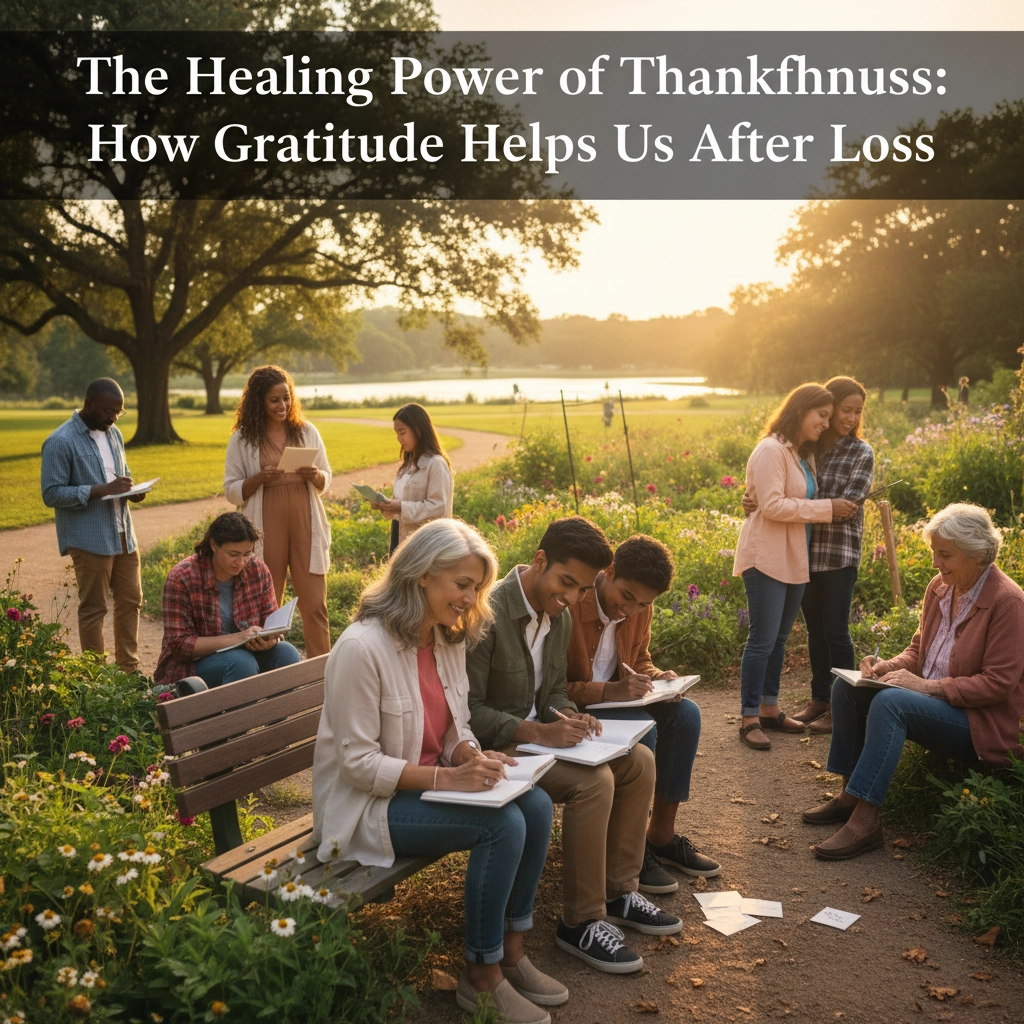
When we’re in the thick of grief, the word “gratitude” can feel almost insulting. How can we possibly be thankful when our world has been turned upside down? When someone we love is gone forever? When everything feels broken and meaningless?
Yet here’s what I’ve learned through my own journey and in working with countless others navigating loss: gratitude after loss isn’t about denying our pain or pretending everything’s okay. It’s about something much deeper: and much more powerful: than that.
What Gratitude Actually Means in Grief
Let’s clear something up right away. Practicing gratitude while grieving doesn’t mean you have to be thankful for your loss. You don’t have to feel grateful that tragedy struck. That’s not what we’re talking about.
Instead, gratitude in grief is about acknowledging that even in our darkest moments, some things remain. It’s about recognizing that our capacity to love: the very thing that makes loss so painful: is still there. It’s about noticing the people who show up, the moments of unexpected beauty, and yes, even our own strength to keep breathing when everything feels impossible.
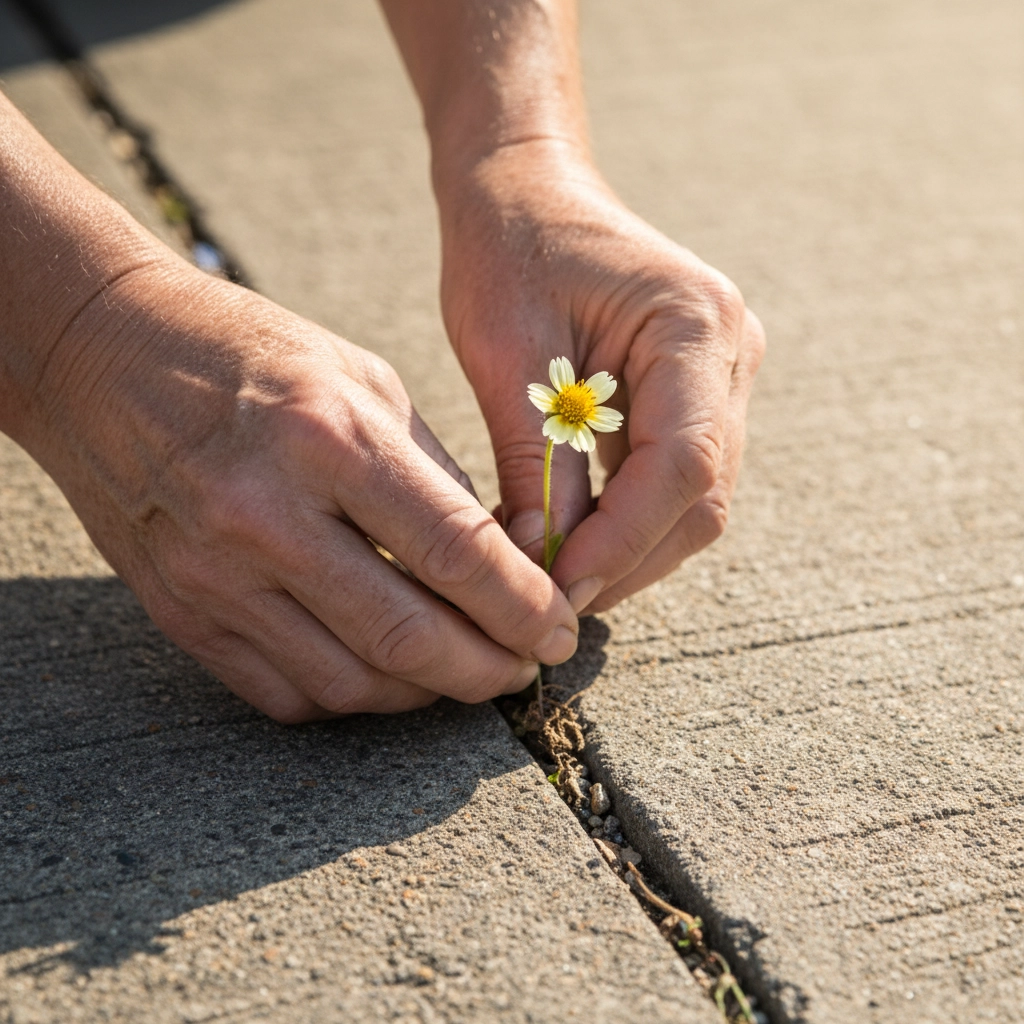
When we practice this kind of thankfulness, we’re not minimizing our grief. We’re actually honoring it by recognizing how precious what we’ve lost truly was. The depth of our pain reflects the depth of our love, and that love itself is something to be grateful for, even when it hurts.
The Science Behind Gratitude and Healing
Here’s something that might surprise you: research shows that people who regularly practice gratitude experience measurable improvements in their physical and mental health. We’re talking about lower blood pressure, better sleep, improved energy levels, and stronger relationships.
But it goes even deeper than that. Gratitude actually releases serotonin and dopamine: those feel-good chemicals our brains desperately need when we’re coping with trauma. During grief, when depression and anxiety often tag along for the ride, this biochemical boost becomes incredibly valuable.
Think of gratitude as exercise for your emotional resilience. Just like physical exercise builds strength gradually over time, practicing thankfulness builds your capacity to handle whatever life throws at you. It doesn’t make you immune to future pain, yet it does give you stronger tools to navigate it.
Small Steps Toward Thankfulness
I know what you’re thinking: “This all sounds nice in theory, Arik, yet how do I actually do this when I can barely get out of bed?”
Fair question. Here’s the beautiful thing about gratitude: it doesn’t require grand gestures or overwhelming positivity. It starts small. Really small.
Start with what’s right in front of you. Can you feel the warmth of your coffee cup? Notice sunlight streaming through a window? Appreciate that your dog is still excited to see you even when you’re struggling? These tiny acknowledgments count.
Keep it simple with a daily practice. Before bed, try naming just three things you noticed that day: not things you’re supposed to be grateful for, yet things you actually noticed. Maybe it’s a text from a friend checking in. Maybe it’s the fact that you had enough energy to take a shower. Maybe it’s remembering a funny story about the person you’ve lost.
Give yourself permission to feel both. You can miss someone terribly and still appreciate the cashier who was kind to you at the store. You can feel angry about your loss and still notice how beautiful the sunset is. Grief and gratitude aren’t opposites: they can coexist.
Finding Hope After Tragedy
One of the most powerful things about practicing gratitude during grief is how it gently shifts our perspective from despair toward hope. Not false hope or toxic positivity, yet genuine hope grounded in reality.
When we’re consumed by loss, our world shrinks. Everything becomes about what’s gone, what’s missing, what will never be again. Gratitude doesn’t erase these truths, yet it expands our view to include what’s still here, what’s still possible, and what still has meaning.
This expansion is crucial for finding hope after tragedy. Hope isn’t about pretending everything will go back to how it was. Hope is about believing that life can still have meaning, that joy is still possible, that our love for the person we’ve lost can fuel something beautiful in the world.
I’ve seen this transformation happen over and over again. People who seemed completely broken by loss slowly begin to notice small gifts around them. They start to see how their experience: painful as it is: might help someone else. They discover that their capacity for compassion has deepened, their ability to be present with others in pain has grown.
Building Resilience After Loss
Resilience after loss isn’t about “bouncing back” to who you were before: that person doesn’t exist anymore, and that’s okay. Real resilience is about learning to carry your grief while still engaging with life. It’s about building the strength to honor your loss while also embracing what remains.
Gratitude is one of the most effective tools for building this kind of resilience. When we regularly practice noticing good things, we train our brains to look for them even in difficult circumstances. We become people who can hold complexity: who can grieve deeply yet also laugh at a friend’s joke. Who can miss someone desperately yet still feel moved by a beautiful piece of music.

This isn’t about balance: grief isn’t something you balance out with gratitude like items on a scale. It’s about expansion. It’s about growing large enough to hold all of your human experience, the bitter and the sweet, the endings and the beginnings.
Practical Ways to Cultivate Thankfulness
If you’re ready to start incorporating gratitude into your grief journey, here are some gentle approaches:
The “Still” Practice: Notice things that are still true despite your loss. “I still have people who love me.” “I still can feel the warmth of the sun.” “I still remember how to laugh.” The word “still” acknowledges that things have changed while recognizing what endures.
Gratitude for the Person You’ve Lost: This might feel counterintuitive, yet it can be deeply healing. What are you grateful for about the time you had together? What did they bring to your life? What did they teach you? Focusing on these gifts doesn’t diminish the sadness of their absence: it honors the fullness of their impact.
Appreciation for Your Support System: Grief has a way of revealing who really shows up in your life. Notice the people who check in, who sit with you in silence, who bring groceries without being asked. Let yourself be grateful for these expressions of love, even when everything else feels dark.
Thankfulness for Your Own Strength: You’re surviving something that once seemed impossible to survive. That takes incredible strength, even when it doesn’t feel like it. Even on the days when all you did was breathe, you showed up. That’s worth acknowledging.

The Long View
Gratitude in grief isn’t a quick fix or a way to shortcut the healing process. Grief takes as long as it takes, and there’s no timeline for “getting over” significant loss. We don’t move on, we move forward. Gratitude can be a companion on the journey: a gentle practice that helps you notice light even in the darkest valleys.
The goal isn’t to be grateful all the time or to replace grief with thankfulness. The goal is to expand your capacity to hold both the reality of your loss and the reality of what remains. To become someone who can say, “I am heartbroken and I am grateful” without feeling like those two things contradict each other.
Over time, this practice does something remarkable: it transforms not just how we see our loss, yet how we see our lives. We become more present, more compassionate, more aware of the preciousness of every moment we have with the people we love.
We learn to live with our grief instead of spending all our energy trying to escape it. And in that living, we often discover that we can be both broken and whole, both grieving and grateful, both forever changed and still capable of joy.
That’s the real healing power of thankfulness: not that it takes away the pain, yet that it helps us discover we’re bigger than our pain. We’re big enough to hold it all.
If you’re walking through grief right now, be gentle with yourself. Gratitude is an invitation, not a requirement. Take what serves you and leave the rest. You’re doing better than you think you are. As we near Thanksgiving, it is easy to feel empty and not thankful. I hope these tools and observations can help you feel thankful this holiday season, even if just a tiny bit.
Check out my podcasts, contact information and other blogs at arikhousley.com.