
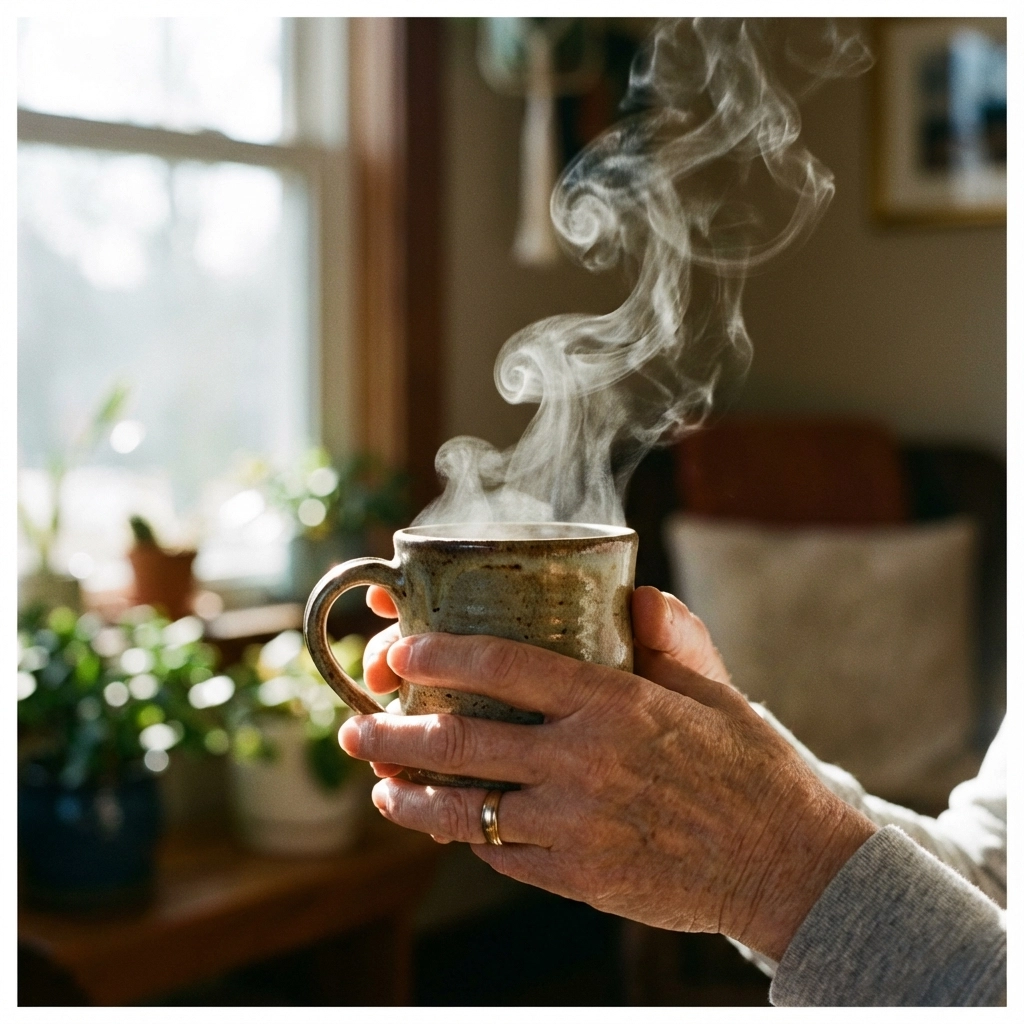
I used to think being present meant some grand spiritual awakening. Turns out, it’s way simpler than that. It’s noticing the steam rising from your morning coffee. It’s feeling the warmth of sunlight through your window. It’s that moment when your coworker actually listens: really listens: to what you’re saying.
Here’s the thing about present-moment living: it doesn’t require you to fix everything or find meaning in tragedy. It just asks you to show up for what’s happening right now.
Why Small Moments Matter More Than You Think
When life hits hard: whether it’s loss, trauma, or just the daily grind wearing you down: your brain naturally goes into survival mode. You’re either replaying what went wrong or worrying about what might happen next. Yet somewhere between the past and the future, life is actually happening.
The research backs this up: when you intentionally notice small joys, you’re literally rewiring your brain toward resilience. Each moment of appreciation creates neural pathways that make it easier to find hope, even when everything feels uncertain.
Appreciate the little things as they add up to be big things. This isn’t just a nice saying: it’s how your mind actually works.
Simple Ways to Value Each Moment
Start with your senses. Right now, what do you hear? The hum of the heater, distant traffic, someone typing nearby? Don’t judge it as good or bad. Just notice it. This simple act pulls you out of mental loops and into the present.
Find three things each morning. Before checking your phone or rushing into the day, identify three things you can appreciate in that moment. The softness of your pillow. The fact that you woke up. The possibility that today might surprise you.
Use transitions as anchors. Every time you walk through a doorway, take one conscious breath. When you sit down, feel the chair supporting you. These tiny pauses create space between the chaos and help you reset.
Practice the “yet” mindset. Instead of “I can’t handle this,” try “I can’t handle this yet.” This small shift acknowledges struggle while leaving room for growth and change.
Finding Hope After Tragedy
When you’re coping with trauma or loss, being present doesn’t mean forcing positivity. It means allowing yourself to experience whatever’s happening without adding the extra weight of past regrets or future fears.
Sometimes being present means sitting with grief. Sometimes it means noticing that you smiled at a stranger. Both are valid. Both are part of healing.
The goal isn’t to eliminate difficult emotions yet to stop letting them control your entire experience. When you’re anchored in the present moment, you realize that even in the midst of pain, there are still things to notice, appreciate, and hold onto.

The Ripple Effect
Here’s what happens when you start appreciating small moments: your relationships improve. You listen better because you’re actually there. You feel more connected to the world around you. You stop rushing past the good stuff while chasing something bigger.
People notice when you’re genuinely present with them. It changes conversations, deepens connections, and creates the kind of moments that actually matter.
Most importantly, you begin to trust that life: even when it’s hard: still holds beauty worth noticing. You don’t need to wait for everything to be okay to find reasons to appreciate where you are right now.
Being present isn’t about perfection. It’s about showing up for your actual life, moment by moment, breath by breath. And in those small moments of awareness, something bigger begins to shift.
The little things aren’t just details. They’re the building blocks of resilience, hope, and a life worth living.
Check out my podcasts, contact information and other blogs at arikhousley.com. Or you can get a copy of my bestselling book Always November: Lessons in Loss, Love and Resilience.