
When a tragedy strikes or a loved one passes away, the world often stops spinning for those at the center of the storm. For the rest of us, life continues, yet we find ourselves standing on the sidelines, desperate to help but terrified of saying the wrong thing.
In my journey and through my work, I’ve seen firsthand how communication can either be a bridge to healing or a wall that further isolates someone in pain. We often approach grief with the best intentions, yet our execution can fall flat.
Communication surrounding grief isn’t about having the perfect script. It’s about presence, authenticity, and avoiding the common traps that make a difficult situation even harder. Here is how you can navigate those waters with empathy, grace, and even a little bit of humor.
The Cliché Reflex: Why Generic Phrases Fail
When we don’t know what to say, we default to the “Grief Handbook” of clichés. We’ve all heard them: “Everything happens for a reason,” “They’re in a better place,” or “God needed another angel.”
While these phrases are usually born out of a desire to provide comfort, they often feel dismissive to the person experiencing the loss. They attempt to wrap a messy, devastating experience into a neat little bow. Grief isn’t neat, yet we try to sanitize it with these scripts.
Many times we are saying what we think we would want to hear, yet we all do this different.
Instead of a cliché, try being specific. Use the name of the person who passed. Share a specific memory that makes you smile. If you didn’t know them well, it’s okay to simply say, “I am so sorry for your loss.” Authenticity will always beat a Hallmark card sentiment.
The “I Know How You Feel” Trap
One of the biggest pitfalls in communication is the urge to compare. You might have lost a grandparent, a parent, or even a pet, and your instinct is to share that experience to show you relate.
Here’s the reality: every grief is unique. When you say, “I know how you feel,” you are inadvertently shifting the spotlight from their pain to your history. Even if the circumstances seem identical, the relationship and the internal experience are different. To be honest, you absolutely don’t know how “they” feel, yet you might know how it feels to lose a loved one.
The “Fixer” Mentality vs. Compassionate Listening
We are a society of problem solvers. When we see someone hurting, our natural inclination is to find a solution. We offer advice on how to stay busy, suggest books on mourning, or try to point out the “silver linings.”
Grief is not a problem to be solved; it is a process to be lived. You cannot “fix” a loss. When you try to offer solutions, you may unintentionally communicate that the person should be “over it” by now or that their pain is something that needs to be minimized.
The most effective communicators in times of grief are those who can sit in the silence. It can be uncomfortable to stay quiet while someone cries, yet that silence is often exactly what they need. Your presence is the message.

Choosing the Right Medium
In our digital age, it’s tempting to send a quick text or leave a comment on a social media post and check the “support” box. While a text is better than nothing, it lacks the nuance and warmth of a physical presence or a voice.
My wife, Hannah, showed me this when she insists on calling the person or meeting them, it is a better way to “show up” for them.
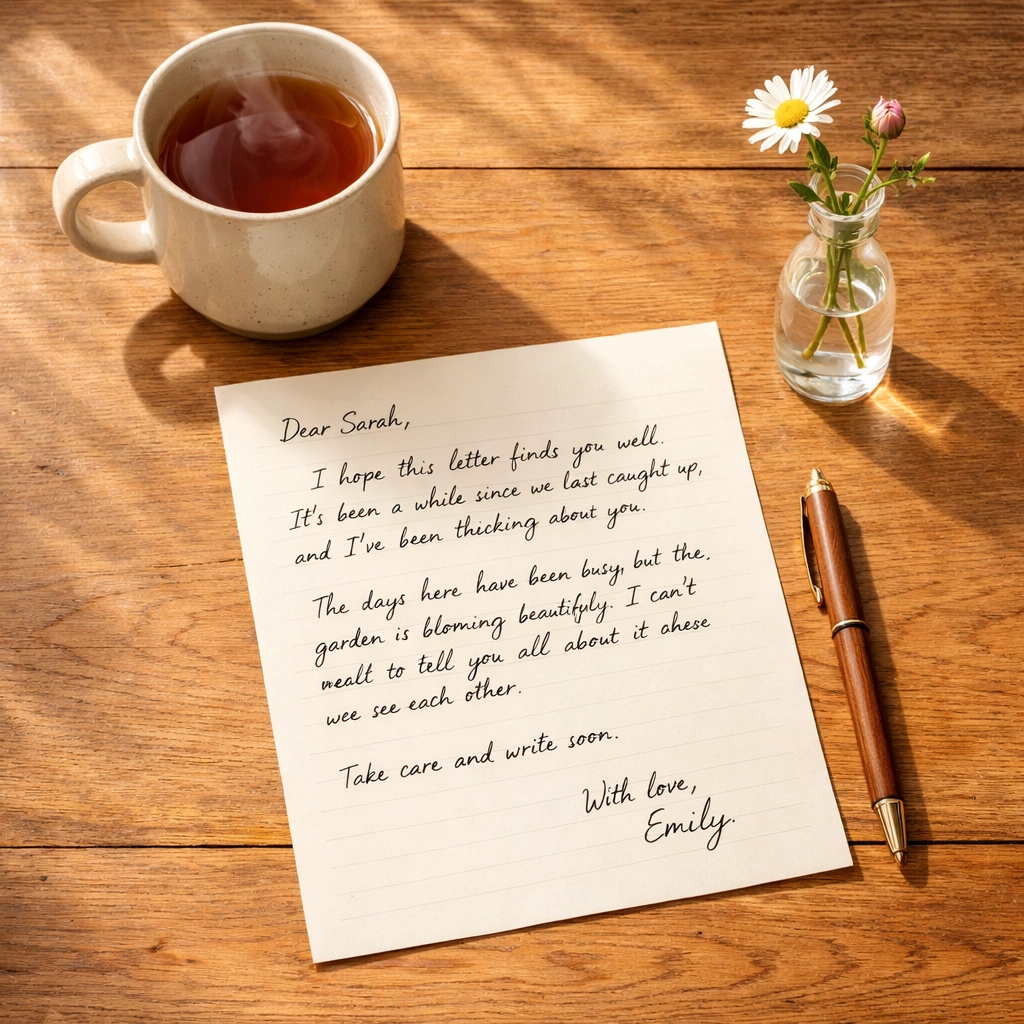
If you are close to the person, a phone call or a handwritten note carries significantly more weight than a text or social media message. There is a tangible quality to a letter that someone can hold onto when the world feels like it’s slipping away.
However, be mindful of their boundaries. If they aren’t answering the phone, don’t take it personally. They are likely exhausted. A message that says, “I’m thinking of you. No need to respond, just wanted you to know I’m here,” gives them the support without the obligation of “performing” social niceties.
The Power of Humor and Grace
It might seem counterintuitive, but humor can be a vital part of communication surrounding grief. When I speak about Value Each Moment, I emphasize that life is a spectrum of emotions.
Grieving people often feel like they have to be “sad” 24/7 to honor the person they lost. When a friend comes over and shares a funny story or makes a lighthearted joke: assuming the timing is right and the relationship is close: it can provide a much-needed oxygen mask of normalcy.
Grace is equally important. If the grieving person is short with you, forgets to thank you for the lasagna, or disappears for a few weeks, give them grace. Their brain is literally functioning differently under the weight of trauma. Don’t make their reaction about you.

A Better Way to Communicate
If you want to be a better support system, shift your communication from “What can I do to help?” to “I am coming over to drop off dinner on Tuesday; would you prefer tacos or pasta?”
General offers of help put the burden of decision-making on the person who is already overwhelmed. Specific, low-pressure actions communicated with empathy make a world of difference.
At the end of the day, avoiding pitfalls isn’t about being perfect. It’s about being real. It’s about showing up even when it’s awkward. For more insights on navigating these difficult conversations and learning to value every moment we have, feel free to explore my other blog posts or reach out for more information on my speaking topics.
Grief is a long road, yet nobody should have to walk it in a vacuum of silence or a sea of clichés. Your words matter( use them to build a bridge.)
Check out my podcasts, contact information and other blogs at arikhousley.com. Or you can get a copy of my bestselling book Always November: Lessons in Loss, Love and Resilience.